01
Regional Geopolitics
The broader Middle East remains volatile. Iran tensions, Red Sea disruptions, and regional conflicts create uncertainty.

Leaving Dubai
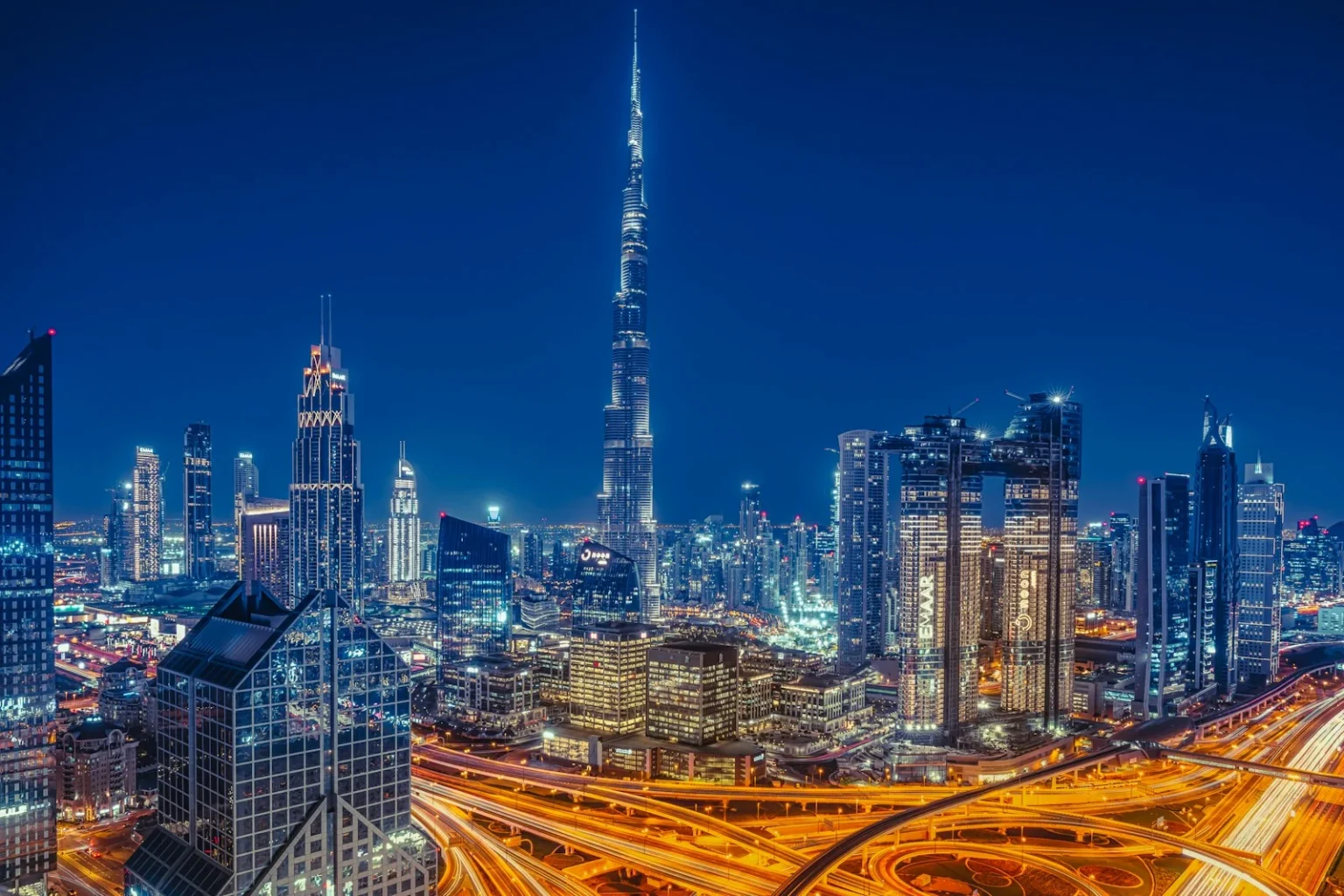
Geopolitical tensions, regional instability, and evolving safety landscape — what Dubai expats need to know.
Dubai has historically been one of the world's safest cities. However, the evolving Middle Eastern geopolitical landscape has prompted many expats to reassess their risk exposure.
Key Points
At a Glance
No destination is risk-free. The question is whether Dubai's specific risk profile aligns with your family's tolerance and priorities. Many expats are choosing to diversify — maintaining Dubai connections while establishing a base in a lower-risk environment.
Dubai has robust security infrastructure and strategic importance to global powers. Direct conflict reaching Dubai remains unlikely but not impossible. The question is whether that residual risk is acceptable for your family.
No. Risk management is rational planning, not panic. Many corporate risk advisors recommend geographic diversification for families with significant assets in the Gulf.
Have an evacuation plan: passports accessible, emergency flights bookmarked, money transferable internationally, essential documents digitized. This applies regardless of where you live.
Keep Exploring
Free Consultation
Bali offers a stable, peaceful environment far from regional tensions. Explore your relocation options.
Talk to the team